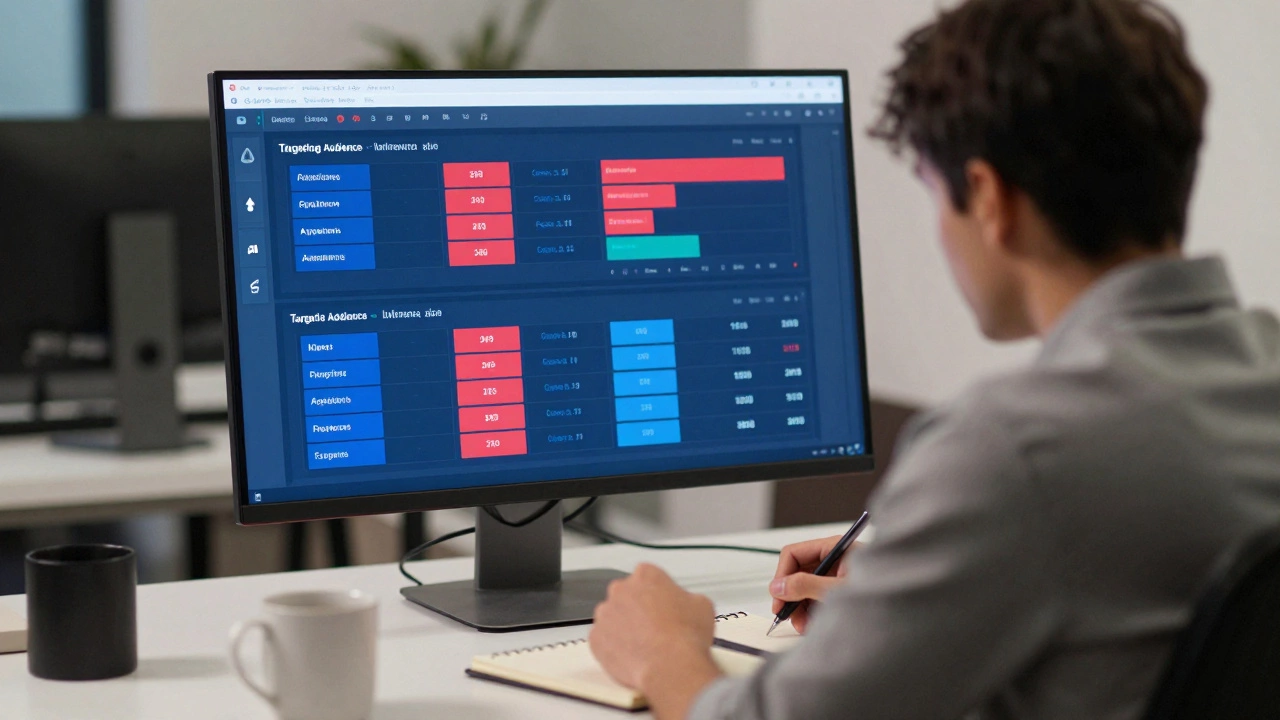
Ever posted an ad and then wondered who actually saw it? Maybe you spent hours crafting the perfect message, only to realize it’s showing up to people who have zero interest in what you’re selling. That’s not just frustrating-it’s wasting your time and money. The good news? Most platforms let you control exactly who sees your ad. You don’t need to be a tech expert. You just need to know where to look and what settings to tweak.
If you’re running ads for something personal or niche, like local services or lifestyle products, you might even want to exclude certain audiences entirely. For example, if you’re promoting a boutique travel package, you wouldn’t want your ad showing up to someone searching for euro girls escort london. That’s not just irrelevant-it could hurt your brand’s credibility. Platforms like Facebook, Instagram, and TikTok let you set boundaries so your ad reaches the right eyes, not the wrong ones.
Start with your platform’s audience tools
Every major ad platform has built-in tools to define your audience. On Facebook Ads Manager, for instance, you’ll find a section called "Audience" right after you create a campaign. Here, you can pick demographics like age, gender, location, and even language. You can also layer on interests-like "yoga enthusiasts" or "pet owners"-to narrow things down. Don’t just rely on broad categories. The more specific you are, the less money you waste on people who won’t convert.
Location targeting is one of the most powerful tools. If you’re a bakery in Melbourne, there’s no reason your ad should show up in Brisbane or Sydney. Set your radius to 10 kilometers around your shop. You’ll get better engagement and lower costs per click. Same goes for time zones. Running a flash sale at 8 PM? Make sure your audience is awake when the ad pops up.
Use exclusion lists to block unwanted viewers
Just as important as who you want to reach is who you want to avoid. Most platforms let you exclude audiences based on behavior, interests, or even past interactions. If you’ve run ads before and noticed certain groups never bought anything, you can block them now. For example, if people who clicked on your ad but never made a purchase are still seeing it, you’re just reminding them they didn’t buy. That’s not helpful-it’s annoying.
You can also exclude people who visited your website but didn’t convert. Or exclude users who follow competitors. On Instagram, you can even exclude people who engage with posts about topics that don’t match your brand. If you sell eco-friendly yoga mats, you might want to exclude users who follow accounts about fast fashion or luxury handbags. It’s not about being picky-it’s about being smart.
Custom audiences and lookalikes: target smart, not broad
Instead of guessing who might like your product, use data you already have. Upload your customer email list to create a custom audience. The platform will match those emails to user profiles and show your ad only to them. This works great for retargeting. If someone added something to their cart but left, you can remind them with a special offer.
Lookalike audiences take this further. Once you have a custom audience of buyers, the platform finds people who are similar to them-same age, same interests, same behaviors. You’re not casting a wide net. You’re finding clones of your best customers. This method often outperforms broad targeting by 2-3x in conversion rates.

Test different audiences with A/B splits
Don’t assume you got it right the first time. Run two versions of the same ad with slightly different audiences. One version targets women aged 25-34 who like hiking. The other targets women aged 30-45 who follow outdoor gear brands. Run them side by side for a week. See which one gets more clicks, more shares, more sales. Then scale the winner and pause the loser.
This isn’t just theory. A small business in Perth ran two ads for handmade candles. One targeted "home decor lovers," the other targeted "yoga instructors." The yoga instructors group had a 47% higher conversion rate-even though they were a smaller group. Why? Because they were more likely to use candles for relaxation. The lesson? Specificity beats size every time.
Watch out for platform biases and hidden filters
Platforms don’t always show your ad to everyone you select. Behind the scenes, they use algorithms to predict who’s most likely to engage. Sometimes, this means your ad gets shown to people outside your target group if the system thinks they’ll respond well. That’s not always bad-but it can be if you’re trying to avoid certain audiences.
For example, if you’re selling premium pet food and you exclude people who follow "cheap pet supplies," the algorithm might still show your ad to them if they’re highly active in pet-related groups. To fix this, go into your ad settings and turn on "Strict Audience Targeting" if it’s available. This tells the platform to stick closer to your defined rules.
Also, check your ad delivery reports weekly. Look at the "Demographics" tab. Are people outside your age range clicking? Are men seeing your ad when you targeted women? Adjust your settings accordingly.

Legal and ethical limits matter too
You can’t target or exclude people based on race, religion, gender identity, or sexual orientation. That’s against the rules on every major platform. Even if you think you’re "just being selective," these restrictions exist to prevent discrimination. Violating them can get your account suspended-or worse, legally challenged.
Also, be careful with lookalike audiences. If your customer base is mostly from one demographic, your lookalike audience might unintentionally mirror those biases. Always review your lookalike settings and manually check the audience preview before launching.
What if you’re not sure who your ideal customer is?
Start small. Run a $5/day test ad with minimal targeting-just location and age. Let it run for 7 days. Look at who clicked, who commented, who shared. Who’s engaging? What are they saying in the comments? Use that data to build your next audience. You don’t need to guess. You can learn from real behavior.
One coffee shop in Adelaide did this. They didn’t know if their audience was students, remote workers, or retirees. After a week of testing, they found 82% of engagement came from people aged 28-45 who visited their page between 7-9 AM on weekdays. They adjusted their targeting, cut their ad spend in half, and doubled their sales.
Final tip: Review your settings every 30 days
People change. Markets shift. What worked last month might not work now. If you’re running ongoing campaigns, schedule a quick 10-minute check every four weeks. Update your audience, refresh your exclusions, tweak your locations. Even small changes can make a big difference over time.
Controlling who sees your ad isn’t about hiding from the world. It’s about making sure the right people see it at the right time. The more precise you are, the more value you get from every dollar you spend.